Backwater Valves vs. Standpipes for Hamilton Basements
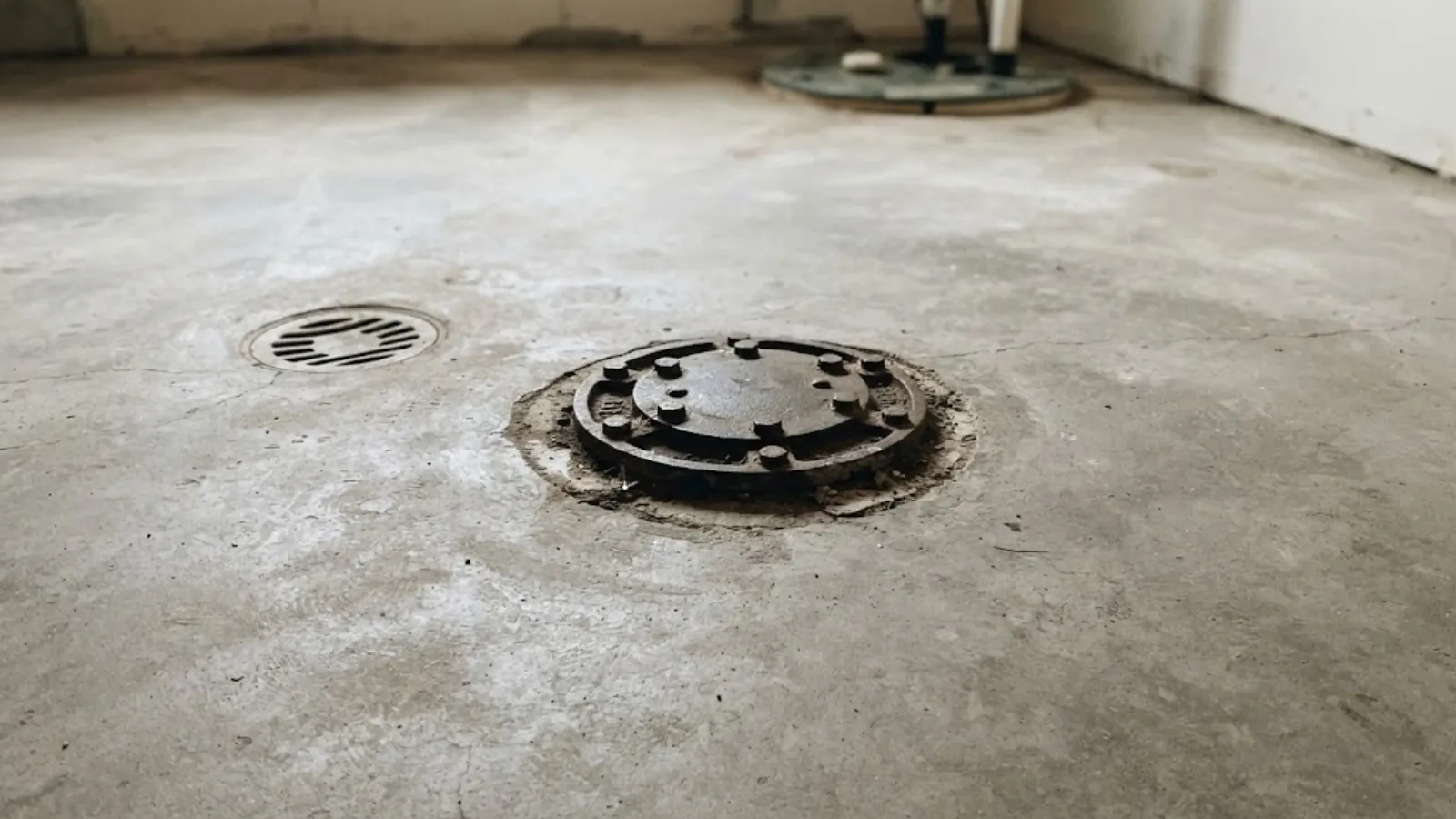
A backwater valve is a permanent check valve installed in the main drain line that closes automatically when sewage tries to flow back into the house. A standpipe is a simple pipe inserted into a floor drain that raises the level water must reach before it spills onto the floor. A backwater valve protects the whole basement. A standpipe protects only one drain and only up to its height.
If your basement has had sewer backups, here is how the two compare and which makes sense for your house.
Why backups happen in the first place
Basement drains are the lowest openings in the house. When the public sewer surcharges during heavy rain, or your lateral is partly blocked, sewage takes the path of least resistance, which is up through the floor drain.
Before adding any device, it is worth confirming the cause. If your lateral is root-invaded or broken, clearing and repairing it may solve the problem outright. In Hamilton, the lateral is the owner's responsibility under city code section 931.031, and our sewer line repair page explains the options.
How the two options compare
| Backwater valve | Standpipe | |
|---|---|---|
| What it protects | All basement fixtures on that drain | One floor drain. |
| How it works | Flap closes when flow reverses | Raises the overflow level of the drain. |
| Installation | Cut into the main drain, usually through the floor | Threaded or pressed into the drain opening. |
| Maintenance | Periodic cleaning and inspection | Remove to use the drain. |
| Protection level | Strong, if maintained | Limited to the pipe's height. |
Backwater valves: the permanent option
A backwater valve is installed in the building drain, typically below the basement floor, with an access cover so it can be cleaned. When sewage flows toward the house, a flap closes and holds it back.
The Ohio Plumbing Code, based on the 2021 International Plumbing Code (IPC), calls for backwater valves where fixtures sit below the level of the next upstream manhole in the public sewer, which is exactly the situation of many basement bathrooms and laundry rooms. The valve needs occasional cleaning, since debris can hold the flap open.
One caution: while the valve is closed during a backup, water you use in the house has nowhere to go, so stop using water until the backup passes.
Standpipes: the inexpensive stopgap
A standpipe screws or presses into the floor drain opening and extends upward a foot or more. Sewage must rise that high before it overflows. It costs little and needs no digging.
The limits are real. It protects one drain only, any other low fixture such as a basement toilet or shower is still exposed, and the drain cannot be used while the standpipe is in. It is a reasonable temporary measure, not a permanent solution for a basement with a finished bathroom.
Pair it with the sump system
Many backups are made worse by clear water entering the sanitary sewer, including sump pumps that discharge into floor drains. A sump discharge should go outside. If your basement also takes on groundwater, the sump pump is a separate part of keeping it dry.
- Confirm the cause of backups with a camera inspection.
- Repair or clean the lateral if it is the problem.
- Install a backwater valve if backups come from the public sewer.
- Redirect any sump discharge away from the sanitary drain.
- Add sewer backup coverage to your insurance.
Beyond Hamilton
Nearby cities run their own sewer systems. In Fairfield, as elsewhere in Butler County outside Hamilton and Middletown, plumbing permits for this kind of work come from the Butler County General Health District.
What to do if the backwater valve is closed during a storm
- Stop using water in the house until the backup in the public sewer passes.
- Do not force the valve open.
- After the storm, run a little water and confirm the basement drain flows normally.
- Open the access cover and clear any debris once it is safe.
A valve that stays closed after the storm, or that lets water past, needs cleaning or repair.
Costs and effort, honestly compared
A standpipe is inexpensive and takes minutes to install. It is a reasonable choice for an unfinished basement with a single floor drain and occasional backups.
A backwater valve costs considerably more, because the floor usually has to be cut and the main drain opened, and it needs a permit and inspection. It is the right investment for a finished basement, a basement bathroom, or a home with repeated backups from the public sewer.
Neither option fixes a broken lateral. If the camera shows roots or a collapse, the lateral repair comes first, since a backwater valve cannot help when your own pipe is the blockage.
Where a backwater valve goes, and where it should not
The valve belongs on the drain serving the fixtures below the danger level, typically the basement drains. Upper-floor fixtures that sit above street level can often bypass it, which lets the house keep using some water during a backup.
It should never be installed in a way that blocks the house's main vent or that traps the whole house behind it without an access cover. Access is the part most often skipped on cheap installations, and a valve that cannot be reached cannot be cleaned. A valve with a clear-top access box set flush with the basement floor makes the twice-yearly check a two-minute job.
If your house has a basement bathroom added years ago without a valve, adding one during any drain work in that area is usually the least disruptive time to do it.
Frequently asked questions
Yes. It is an alteration to the building drain and is permitted and inspected.
Many manufacturers suggest checking it at least once or twice a year and after any backup.
No. It protects one drain up to its height only.
Yes, and basement bathrooms are one of the main reasons to install one.
No. It only stops sewage flowing backward in the drain. Groundwater is handled by drain tile and a sump pump.
Yes. Some owners keep a standpipe as an extra measure on a floor drain even after a valve is installed, though a maintained valve usually makes it unnecessary.
Usually cutting the basement floor near the main drain, installing the valve with an access box, patching the concrete, and passing a permit inspection.