Drain Cleaning & Unclogging in Hamilton, OH
Drain cleaning in Hamilton, OH means clearing whatever is blocking a pipe so water leaves the house again, then finding out why it stopped. A slow bathroom sink is usually hair and soap near the trap. Water rising out of a basement floor drain is almost always further down, in the main line or the sewer lateral under the yard.
We clear both, day or night. The phone at (513) 796-9381 is answered 24/7 because a backed-up main does not wait for business hours.
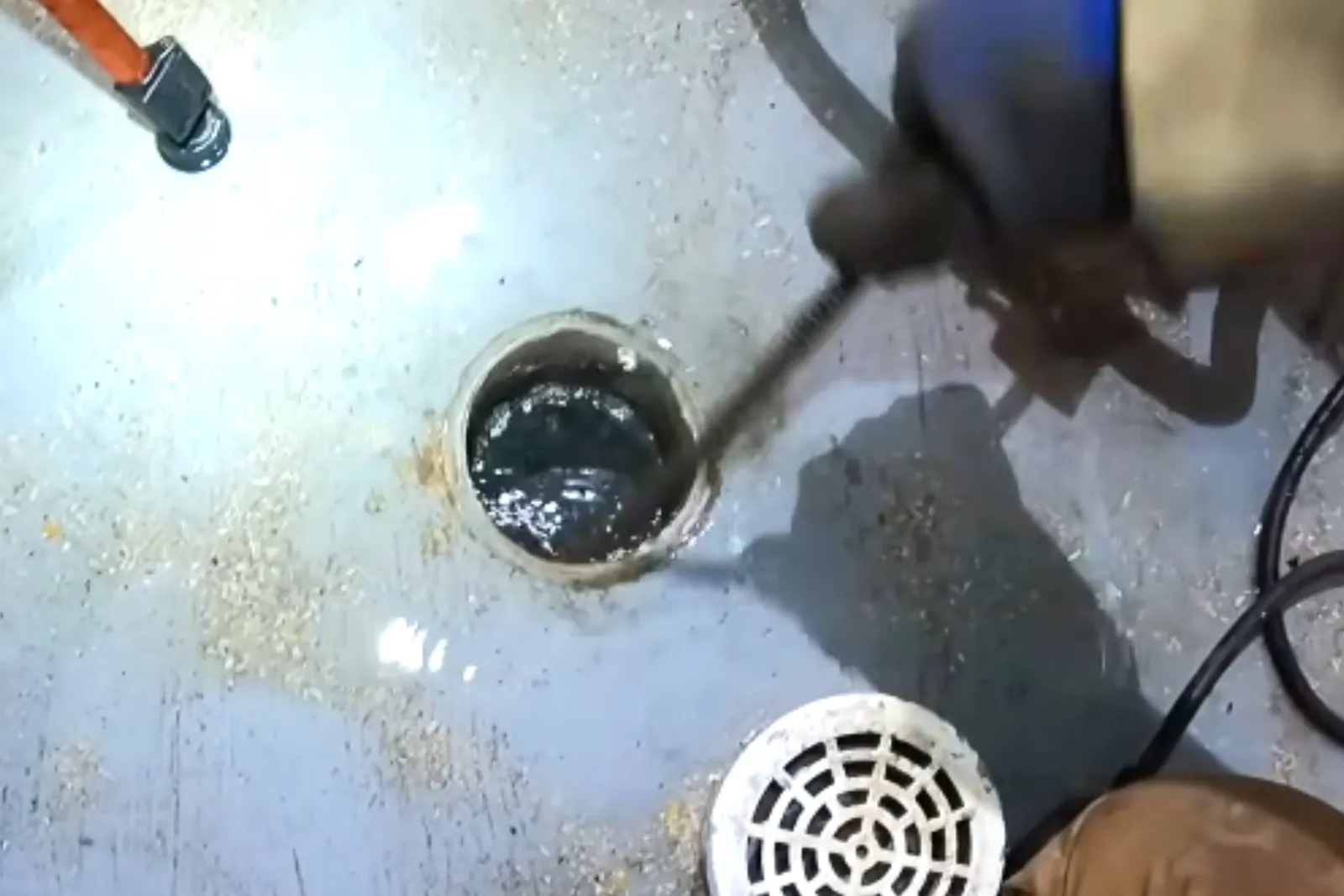
Why Hamilton drains back up where they do
Every drain in the house feeds one main line that leaves through the basement wall or floor. From there a sewer lateral carries it to the city main under the street. When one fixture is slow, the clog is usually in that fixture's own branch. When the lowest drain in the house overflows, the problem is almost always in the main or the lateral.
Hamilton's older neighborhoods make the lateral the usual suspect. Many houses in German Village, Dayton Lane and Rossville were connected with clay tile pipe laid in short sections, with a joint every few feet. Roots from mature street and yard trees find those joints and grow into a mat that catches paper and grease.
That lateral is the owner's responsibility. Under Hamilton city code section 931.031, the property owner operates and maintains the whole sanitary lateral to the public sewer, including cleaning, clearing obstructions and removing roots. So the first call for a backed-up basement is usually a plumber, not the city.
Which drain is clogged? A quick way to tell
Before anyone arrives, a few minutes of watching tells you a lot. Use this as a rough guide, not a diagnosis.
| What you notice | Where the clog usually is | Typical fix |
|---|---|---|
| One sink or tub drains slowly, everything else is fine | That fixture's trap or branch line | Hand cable or trap cleaning. |
| Toilet gurgles when the washer drains | Shared branch or the main line | Cable from the nearest cleanout. |
| Water or sewage rises out of the basement floor drain | Main line or sewer lateral | Main line cable, then a camera look. |
| Every fixture is slow and it keeps coming back | Roots or grease in the lateral | Cabling plus hydro jetting, camera to confirm. |
| Kitchen sink backs up into the other basin | Kitchen branch, often grease | Cable or jetting of the kitchen line. |
If more than one fixture is affected, assume the main line until proven otherwise and stop running water.
How the clog gets cleared, and how we confirm it is gone
The Ohio Plumbing Code, which is based on the 2021 International Plumbing Code (IPC), requires accessible cleanouts on the building drain. When a house is missing one, it gets added rather than worked around.
Sink and tub clogs are cleared with a small hand cable, usually a quarter or three-eighths inch, fed through the drain or the trap. Main line clogs need a larger machine with a half or five-eighths inch cable and a cutting head, run from the basement cleanout toward the street.
Clearing the line is only half the job. Once water is moving, a camera goes down the lateral so you can see what caused the clog: a root mass at a clay joint, a sag where water sits, a cracked section, or just grease. That short video decides whether you need nothing more, a yearly cleaning, or a repair.
When roots or grease come back within months of cabling, a cable is the wrong tool. Our hydro jetting service scours the full pipe wall with high-pressure water instead of punching a hole through the middle of the blockage.
Floor drain backing up during a storm?
If water only comes up through the basement floor drain during heavy rain, the cause may not be a clog at all. Clear water that seeps in at the wall joint is groundwater. Gray or smelly water from the floor drain is sewage, and that points to the lateral or to a sewer system that is overloaded.
Ohio EPA notes that downspouts, foundation drains and sump pumps tied into the sanitary sewer can push water back into basements during storms. If several neighbors on your block back up at once, tell the city, because the public main may be the problem. If it is only your house, a camera inspection usually finds the answer, and a damaged pipe is handled through sewer line repair.
Kitchen, laundry and disposal clogs
Kitchen lines clog more than any other branch because grease cools and hardens on the pipe wall. Pouring it down with hot water only moves it a few feet further. Scrape greasy pans into the trash first and pour spent oil into an old can.
Basement laundry standpipes clog with lint, especially where an older house drains the washer into a laundry tub. A lint trap on the discharge hose costs a few dollars and saves a service call. If a disposal is humming but not draining, the blockage may be the disposal itself, which our garbage disposal repair page covers.
Serving every Hamilton ZIP, and the towns next door
We clear drains across ZIP codes 45011, 45013 and 45015, including the historic districts, the West Side, and the newer streets toward Route 129. Older clay laterals are most common in the core of the city, while newer PVC lines out toward the townships clog more from grease and wipes than roots.
Homeowners in nearby Fairfield, just south of the city, call us for the same main line and floor drain problems, and the same 24/7 line applies there.
What drain cleaning costs depends on these factors
A fair price depends on where the clog is and what caused it. These are the things that move the number.
- Which line. A single sink costs less than a main line run from the basement cleanout.
- Access. A missing or seized cleanout may mean pulling a toilet or cutting in a new cleanout.
- Time of day. Night, weekend and holiday calls cost more than a scheduled weekday visit.
- Camera inspection. Recommended after any main line clog, and priced as a separate step you can decline.
- Roots or grease. Heavy buildup may need hydro jetting rather than cabling alone.
Homeowners insurance normally does not pay to clear a clog. Some policies cover damage from a sewer backup only if you added a sewer backup endorsement, so check yours before the next storm.
Want your real number? Call (513) 796-9381 and describe what you are seeing.
Backed-up drain in Hamilton? We answer 24/7.
Call (513) 796-9381Drain cleaning questions from Hamilton homeowners
It is the owner's. Hamilton city code section 931.031 puts operation and maintenance of the whole sanitary lateral on the property owner, including clearing obstructions and roots. The city maintains the public main.
Yes. The line is answered 24/7, and a backed-up main line in a basement is treated as an emergency.
Not on a toilet, a floor drain or anything that is backing up. Chemicals rarely reach a main line clog and they make the water dangerous for whoever has to open the line. For a slow bathroom sink, pulling the stopper and cleaning out hair works better.
If a camera shows root intrusion at the joints, many owners schedule a cleaning every 12 to 18 months. If roots come back faster than that, a lining or spot repair usually costs less over a few years than repeated cleanings.
In most basement homes it is a capped fitting on the main drain near where it leaves through the front wall or floor, often a few feet from the water meter. Some older houses have no accessible cleanout, and one can be added during the visit.
We recommend it after any main line clog, because it shows whether the cause was roots, a sag, a break or just buildup. It is priced separately, and you decide before it is done.