Sump Pump Installation & Repair in Hamilton, OH
Sump pump repair in Hamilton, OH is about keeping groundwater out of a basement that sits in a river valley. The pump sits in a pit below the floor, collects water from the drain tile around the foundation, and pushes it outside before it reaches the slab.
When it fails during a storm, the pit can overflow within hours. We fix stuck floats, dead motors and frozen discharge lines, and install new pumps and battery backups. Call (513) 796-9381 any time.
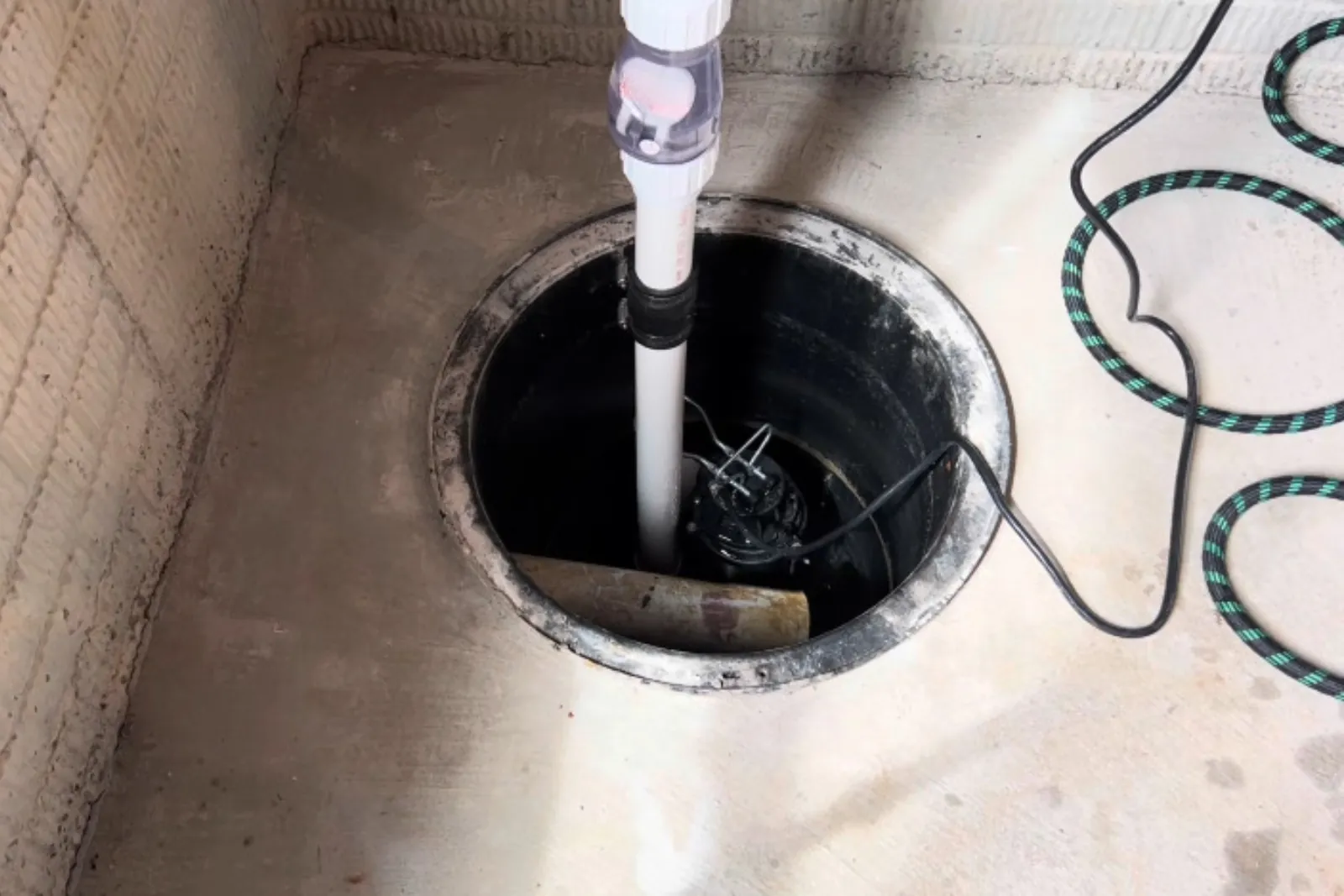
Why so many Hamilton basements depend on a sump pump
Hamilton sits on the Great Miami River and above the Great Miami Buried Valley Aquifer, layers of sand and gravel left by glaciers. The river recharges that aquifer during high-flow months, which generally run from November through April. That is also when groundwater sits highest against basement walls.
The city has lived with high water for a long time. In March 1913 the river rose with little warning, water reached 18 feet in parts of Hamilton, and about 200 residents died. The levees and dams built afterward cut the risk of the river overtopping its banks. They do nothing about groundwater pushing up under a basement floor in a wet March. That is the pump's job.
In practice, the homes that run their pumps the most are older houses on lower ground near the river and newer houses built with full basements and perimeter drain tile. If your pump runs every few minutes in spring, it is doing exactly what it was installed for, and it deserves a backup.
Water on the basement floor, a musty smell, or a pump that never stops?
Most owners never notice the pump itself. They notice what a failing pump causes. Here is how the common signs connect back to it.
- Damp floor along the walls after rain. The pump may be failing to keep up, or there may be no pump and no drain tile at all.
- The pump runs constantly, even in dry weather. A failed check valve lets water fall back into the pit, or the float is stuck on.
- Clicking or humming with no water moving. The impeller may be jammed with gravel or the motor is near the end.
- Water shooting back into the pit after the pump stops. The check valve on the discharge pipe is missing or broken.
- Musty smell and a dry pit. The pit may need a sealed lid, or a floor drain trap has dried out.
- Ice around the discharge outlet in winter. The line is freezing and the pump may burn out pushing against it.
If you recognize one of these, the pump is worth checking before the next heavy rain rather than during it.
Why sump pumps fail
Most failures come down to a handful of causes. The float switch gets caught on the pit wall or the power cord. The pump loses power in the same storm that fills the pit. The discharge line freezes or clogs. Or the pump simply wears out, since the typical primary pump lasts roughly seven to ten years depending on how often it runs.
A pump that cycles every minute or two wears out faster. Short cycling usually means a pit that is too small, a float set too low, or a missing check valve, all of which are cheap to fix compared with a new motor.
Choosing the right pump and backup
Not every basement needs the same setup. This is how the main options compare.
| Option | Best for | Trade-off |
|---|---|---|
| Submersible primary pump | Most finished and unfinished basements | Quieter and sealed in the pit, but harder to service than a pedestal. |
| Pedestal primary pump | Narrow or shallow pits | Easy to reach, but louder and takes up floor space. |
| Battery backup pump | Any home that loses power in storms | Runs for a limited time on a charged battery, which needs replacing every few years. |
| Water-powered backup pump | Homes on city water with good pressure | No battery to fail, but it uses city water to run and needs a backflow device. |
| Dual pump in one pit | Basements that take on heavy water | Handles high inflow, but costs more and needs a larger pit. |
For most Hamilton homes with a finished basement, a submersible primary pump plus a battery backup is the practical minimum.
Where the water goes after it leaves the pit
A sump pump should discharge outside, away from the foundation. It should not be tied into a floor drain, laundry tub or sanitary sewer line. The Ohio Plumbing Code, based on the 2021 IPC, does not allow storm water to drain into a sewer intended for sewage only. Ohio EPA points out that sump pumps and downspouts connected to the sanitary sewer add to basement backups during storms, for your house and your neighbors.
The outlet should carry water well clear of the foundation so it does not soak straight back into the drain tile. In winter, a discharge line that runs flat or dips can freeze solid. A short air-gap fitting near the house lets water escape if the buried section freezes, which protects the pump. If the line itself froze and split, our frozen pipe repair page covers the fix.
How a sump pump replacement is done
We start by checking the pit size, the drain tile inflow and the existing discharge line. A new pump is set on a firm base so it cannot tip against the wall, with a check valve and a union on the discharge so the next replacement is easier. The float gets tested with water before we leave.
When a backup is added, it gets its own check valve and alarm. Standing water that already soaked carpet or drywall is a separate job handled through our water damage restoration service, which dries the structure after the pump is running again.
Sump pump service across Hamilton and nearby towns
We install and repair pumps in all Hamilton ZIP codes, 45011, 45013 and 45015, from the older houses near the river to newer subdivisions toward the townships. Homes north along the river in Trenton see the same spring groundwater pattern, and the same 24/7 line covers them. For a clogged floor drain rather than a pump problem, see our drain cleaning page.
What drives the price of sump pump work
A pump swap in an existing pit is a very different job from a new pit cut into the floor. These factors decide the number.
- Repair or replace. A stuck float or bad check valve costs far less than a new pump.
- Pump type and size. Higher-capacity and cast-iron pumps cost more than basic models.
- Backup system. Battery and water-powered backups add equipment and a second check valve.
- New pit. Breaking the slab, digging the pit and connecting drain tile is a larger project.
- Timing. A pump replaced during a storm at night costs more than one scheduled on a dry weekday.
Many homeowners policies exclude water that enters from a failed sump pump unless you bought a water backup endorsement. Check your policy now, while the basement is dry.
Want your real number? Call (513) 796-9381 and describe what you are seeing.
Sump pump quit in a storm? Call our 24/7 line.
Call (513) 796-9381Sump pump questions for Hamilton basements
Roughly seven to ten years for a typical primary pump, less if it runs constantly in spring. Test it every few months by pouring a bucket of water into the pit.
If the basement is finished or stores anything you care about, yes. Storms that fill the pit are the same storms that knock out power.
It should not. Ohio EPA notes that sump pumps connected to the sanitary sewer add to basement backups during storms. Discharge should go outside, away from the foundation.
High groundwater keeps the pit filling after the rain stops, especially from November through April. Constant running with no inflow usually means a bad check valve or a stuck float.
Start by finding out where the water comes in. Seepage at the wall joint after rain often means the house needs a pit and pump connected to drain tile. We can look and tell you whether a pump is the right answer.
Yes. The line at (513) 796-9381 is answered 24/7, and a failed pump with water rising is treated as an emergency.