Who Pays for a Clogged Sewer Lateral in Hamilton? What City Code 931.031 Says
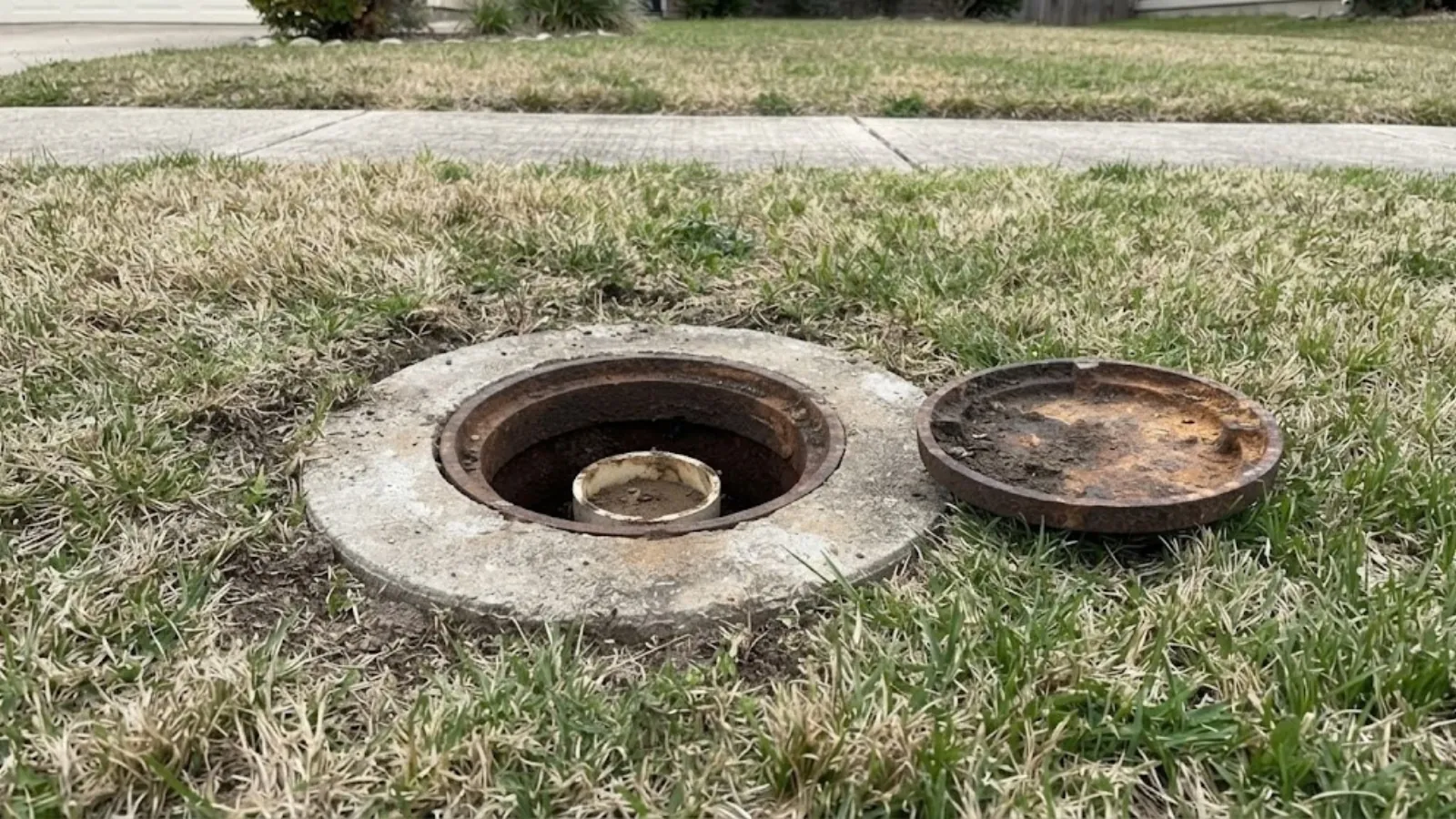
In Hamilton, the property owner pays. City code section 931.031 makes owners responsible for operating and maintaining the entire sanitary sewer lateral from the house to the public sewer, and that expressly includes inspection, cleaning, clearing obstructions and removing roots. The city maintains the public sewer main.
That rule surprises a lot of people, especially the part about the section under the street. Here is what it means in practice, when the city is involved, and how to keep a lateral from turning into an expensive surprise.
What the code actually says
Section 931.031 has three parts that matter to homeowners. Owners install the lateral from the premises to the public sewer. Owners then operate, maintain, repair or replace it. And the operation and maintenance duty covers the entire lateral all the way to the public sewer, including inspection, cleaning, removing obstructions and root removal.
The code adds one more point. If the city determines that repair or replacement in the public right-of-way or sewer easement is needed because of damage caused by the owner or the owner's contractor, the owner pays for that work too. In short, the lateral is yours from the house to the main.
Where your pipe ends and the city's begins
It helps to picture the whole path your wastewater takes.
| Section | Where it is | Who handles it |
|---|---|---|
| Building drain | Inside the house and under the basement floor | Owner. |
| Lateral, private property | From the foundation to the property line | Owner. |
| Lateral, right-of-way | Under the sidewalk, tree lawn and street | Owner maintains, per 931.031. |
| Public sewer main | Under the street | City of Hamilton. |
The practical takeaway is that nearly every clog that backs up a single house is on the owner's side of that line.
When it might be the city's problem
There is one situation where the city should hear from you first. If several neighbors on your block back up at the same time, especially during heavy rain, the public main may be surcharging or blocked. That is a city problem, and reporting it helps everyone on the street.
If it is only your house, the answer is almost always in your own lateral or building drain. The fastest way to know is to clear the line and look at it with a camera.
Why Hamilton laterals clog
Many laterals in the older parts of the city are clay tile, laid in short sections with a joint every few feet. Tree roots find those joints, grow inside, and form a mat that catches paper and grease. Cast iron building drains inside older homes scale up and crack over time. Some postwar homes have fiber pipe that softens and flattens with age.
Newer PVC laterals clog far less often, and when they do it is usually grease, wipes, or a joint that separated when the soil settled.
What to do when the basement floor drain backs up
- Stop running water everywhere in the house.
- Do not pour chemical drain cleaner into the floor drain.
- Check whether neighbors are also backing up. If so, notify the city.
- If it is only your house, have the main line cleared from the cleanout.
- Ask for a camera inspection after it is cleared, and keep the footage.
Clearing restores service. The camera tells you whether you have a maintenance problem or a repair problem. Our main line drain cleaning page explains how the line is opened and inspected.
Maintenance versus repair
If the camera shows roots at the joints but the pipe is intact, many owners schedule a cleaning every year or so, often with hydro jetting, which clears the pipe wall more completely than a cable. If it shows a broken, offset or sagging section, the honest answer is a repair.
Repairs range from a single dug-out section to a liner installed from inside the pipe, to full replacement when the whole line has failed. Our sewer line repair page compares those options. Work in the street or sidewalk is permitted and coordinated with the city, and utilities are marked through Ohio 811 before any digging.
Insurance and budgeting
Standard homeowners policies usually exclude a lateral that failed from age or roots. Damage inside the house from a backup is often covered only if you added a sewer backup endorsement. Some insurers and third-party plans sell service line coverage, which may be worth reading about if your house has an original clay lateral.
Owners outside Hamilton should check their own rules. In Liberty Township and other Butler County communities, the sewer provider and its policies are different from the city's.
What a camera inspection report should show you
A useful inspection gives you more than a verbal summary. Ask for the recorded video and a short written note of what was found and where, measured in feet from the cleanout. With a locating transmitter, the depth and position of each problem can be marked on the ground as well.
Look for four things in the footage: the pipe material and whether it changes along the run, roots at joints, sags where water sits in the pipe, and breaks or offsets where sections no longer line up. A clean, round pipe with a few root hairs is a very different situation from one with a flattened section near the street.
- Recorded video of the full run, cleanout to main.
- Distance to each problem from the cleanout.
- Depth readings at any spot that may need digging.
- A plain recommendation: nothing, maintenance or repair.
Keeping a Hamilton lateral clear between cleanings
Most clogs are made worse by what goes down the drain. Wipes labeled flushable do not break down like toilet paper and snag on roots at clay joints. Kitchen grease cools and coats the pipe wall. Both build on each other until the line closes.
A few habits make a real difference: toilet paper only in toilets, grease into a can rather than the sink, a strainer in every tub and shower, and a lint catcher on the washer discharge if it drains into a laundry tub. For older clay lines with known roots, a scheduled cleaning before the wet spring season, rather than after a backup, is the cheapest way to own that pipe.
Frequently asked questions
Under section 931.031 the owner is responsible for the whole lateral. The city maintains the public main.
The code places lateral maintenance, including root removal, on the owner. If you believe city work caused damage, contact the city directly.
If roots are present but the pipe is sound, many owners clean every 12 to 18 months.
Yes. It turns a guess into a specific finding and keeps you from paying for the wrong fix.