Water Mitigation in Hamilton, OH
Water mitigation in Hamilton, OH is emergency damage control. The crew pumps out standing water, pulls wet carpet pad and soaked drywall, and sets air movers and dehumidifiers so moisture stops spreading into framing and the next room.
It happens in the first hours and days, well before any rebuilding. Call (833) 521-1033 as soon as the leak or backup has been stopped.
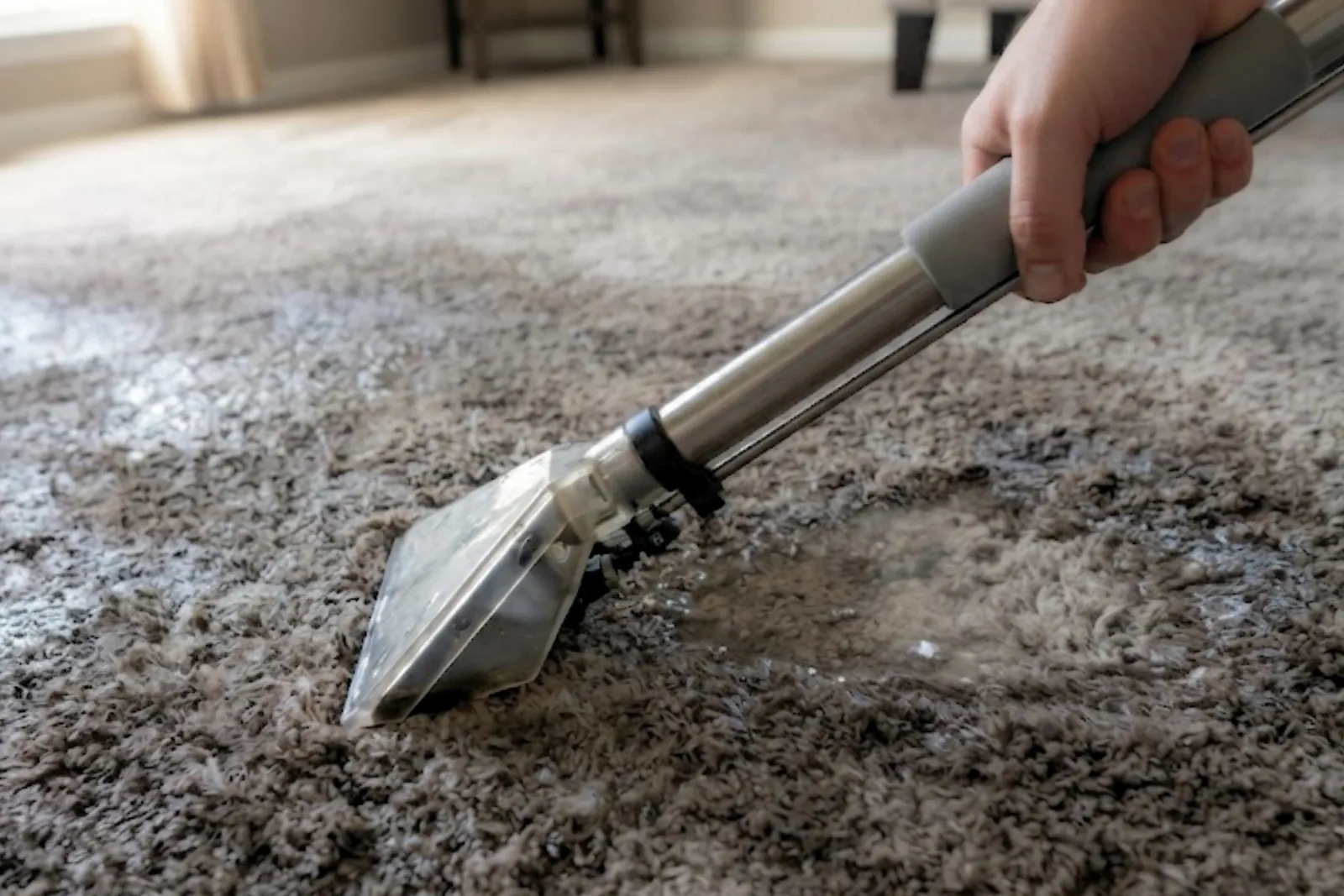
Mitigation versus restoration
Mitigation is about limiting the damage: getting water out and air moving. Restoration is about repairing it: rebuilding drywall, floors and finishes once the structure is dry. Most losses need both. Mitigation has to start right away, and restoration gets planned once things are dry.
Mitigation follows the IICRC S500 standard for water damage restoration from the first visit. The restoration stage, including rebuilding and the S500 water categories, is covered on our water damage restoration page.
What happens during a mitigation visit
| Step | What it does | Why it matters |
|---|---|---|
| Moisture mapping | Finds how far water traveled into walls and floors | Water spreads further than it looks. |
| Extraction | Removes standing water with pumps and wet vacuums | Every gallon removed is one less to evaporate. |
| Selective removal | Pulls wet pad, baseboards and saturated drywall | Opens cavities so they can dry. |
| Drying setup | Places air movers and dehumidifiers | Brings materials back to normal moisture. |
| Daily monitoring | Measures moisture until targets are reached | Confirms drying is actually working. |
Hamilton basements and why speed matters
Many Hamilton homes have basements, and many of those are finished. Groundwater runs high in the wet months, when the river recharges the aquifer. In that season a failed sump pump or a sewer backup through a floor drain can put water under carpet and behind drywall within hours.
The EPA advises drying wet materials within 24 to 48 hours to prevent mold growth. That is the window mitigation is built around. Once the water is out, fix the cause too, whether that is a sump pump or a clogged main drain.
What you can do safely before we arrive
- Photograph and video every wet area and damaged item.
- Lift furniture legs onto foil or blocks to stop staining.
- Remove area rugs and hang them if possible.
- Open windows if the air outside is drier than inside.
- Avoid contact with water from a sewer backup, which is contaminated.
Why household fans are not enough
Box fans and an open window move surface air, but water that soaked into drywall, framing and subfloor stays there. Commercial air movers push air across wet surfaces at a much higher rate, and dehumidifiers capture the evaporated water rather than letting it settle back into materials. Moisture readings each day show whether drying is actually on track, which is what an insurer will ask to see.
Mitigation in Hamilton and nearby
We provide water mitigation in ZIP codes 45011, 45013 and 45015 and nearby communities such as Trenton, where homes near the river face the same spring groundwater.
What water mitigation costs depends on
The bill reflects the work and equipment the loss requires.
- Volume of water and area affected.
- Water category, since sewage requires more removal and treatment.
- Materials removed to allow drying.
- Equipment days for air movers and dehumidifiers.
- After-hours response.
When the policy covers the loss, the claim usually includes mitigation. Insurers also expect you to take reasonable steps to limit damage. Report the loss to your insurer promptly and keep all documentation.
Want your real number? Call (833) 521-1033 and describe what you are seeing.
Standing water in Hamilton? Call the 24/7 mitigation line.
Call (833) 521-1033Water mitigation questions
Mitigation removes water and dries the structure to stop damage. Restoration repairs and rebuilds afterward.
Often a few days, confirmed with daily moisture readings rather than guessed.
If the policy covers the loss, the claim usually includes mitigation. Insurers expect prompt steps to limit damage.
Yes. It carries contamination, and crews usually remove porous materials it soaked.
Use (833) 521-1033, the dedicated water damage line.